
Terrified Pakistani Shia Muslims
By: Abu Qasim
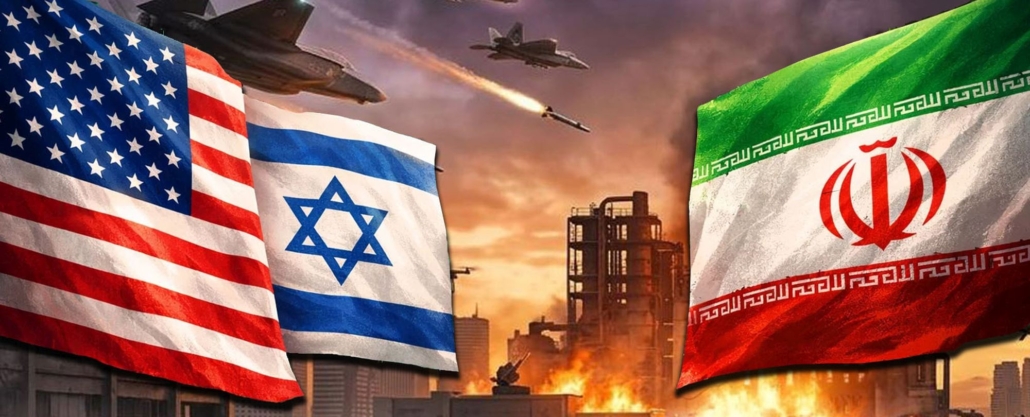
The war between Iran, the United States, and Israel has not only caused shortages of fuel and other essential commodities in many countries around the world, but it has also created serious challenges for Shia Muslims in Pakistan, where even minor protests are often met with deadly force.
On February 28, 2026, the United States and Israel jointly targeted various cities in Iran, claiming that the rulers there were supporting terrorist groups that continued to carry out attacks against Israel. The strikes specifically targeted areas where Iran’s military and civilian leadership resided. During these attacks, Iran’s spiritual leader Ayatollah Khamenei was killed. In response, Shia Muslims across the world staged protests against the killing. In Pakistan as well, Shia Muslims organized protest rallies and demonstrated outside the American Embassy in Karachi, chanting slogans against the United States and Israel.
The protests turned violent when Pakistani security forces and police opened fire on the demonstrators. As a result, more than a dozen people were killed in Karachi and Quetta, while hundreds of others were injured. The situation became even more controversial when Pakistan’s military chief, Field Marshal General Asim Munir, reportedly stated that those who support Iran should “go to Iran and die there.”
Pakistan has long been criticized for following American directives. Governments in the country are often believed to rise and fall with American approval. Many liberal-minded journalists in Pakistan even describe the country as an American colony. This, according to critics, explains why the Pakistani government sided with the United States instead of Iran during the conflict between Iran, America, and Israel. It is also why Pakistan arranged a negotiation table in Islamabad under the pretext of mediation talks.
Pakistan’s double standards deeply hurt the sentiments of nearly 20 percent of the country’s Shia population, many of whom took to the streets in protest. Although Prime Minister Shehbaz Sharif expressed sorrow and grief over the killing of Iran’s spiritual leadership, he notably refrained from mentioning the United States by name. Critics argue that Pakistan’s rulers have historically aligned themselves with American and Israeli interests.
Pakistan, despite being created in the name of religion, has failed to fully implement religious justice on the ground. The country’s Shia minority, which constitutes around 20 percent of the population, has rarely been given equal freedom of expression. Shia worshippers have frequently been targeted in suicide attacks at Imam Bargahs while engaged in prayer and religious gatherings.
Following the Iran–America–Israel conflict, Pakistani society appears increasingly divided into two camps. One group openly supports Iran and criticizes government policies, while the other seeks closer ties with the United States, largely for economic and financial benefits. Under such circumstances, it remains to be seen how the Pakistani government and military leadership will maintain national unity.


Leave a Reply
Want to join the discussion?Feel free to contribute!